Connecting the apps you already use: small automations that add up
How to spot re-keying in your business, the small automations that stop it, and how to keep them documented, owned and easy to live with.
· 6 min read
Smart cities need communication and collaboration, both between smart cities in different locations, and with the citizens they serve. That’s according to...
From the archive: originally published on the Eastpoint blog on 24 June 2019. Some details reflect that time.
Smart cities need communication and collaboration, both between smart cities in different locations, and with the citizens they serve.
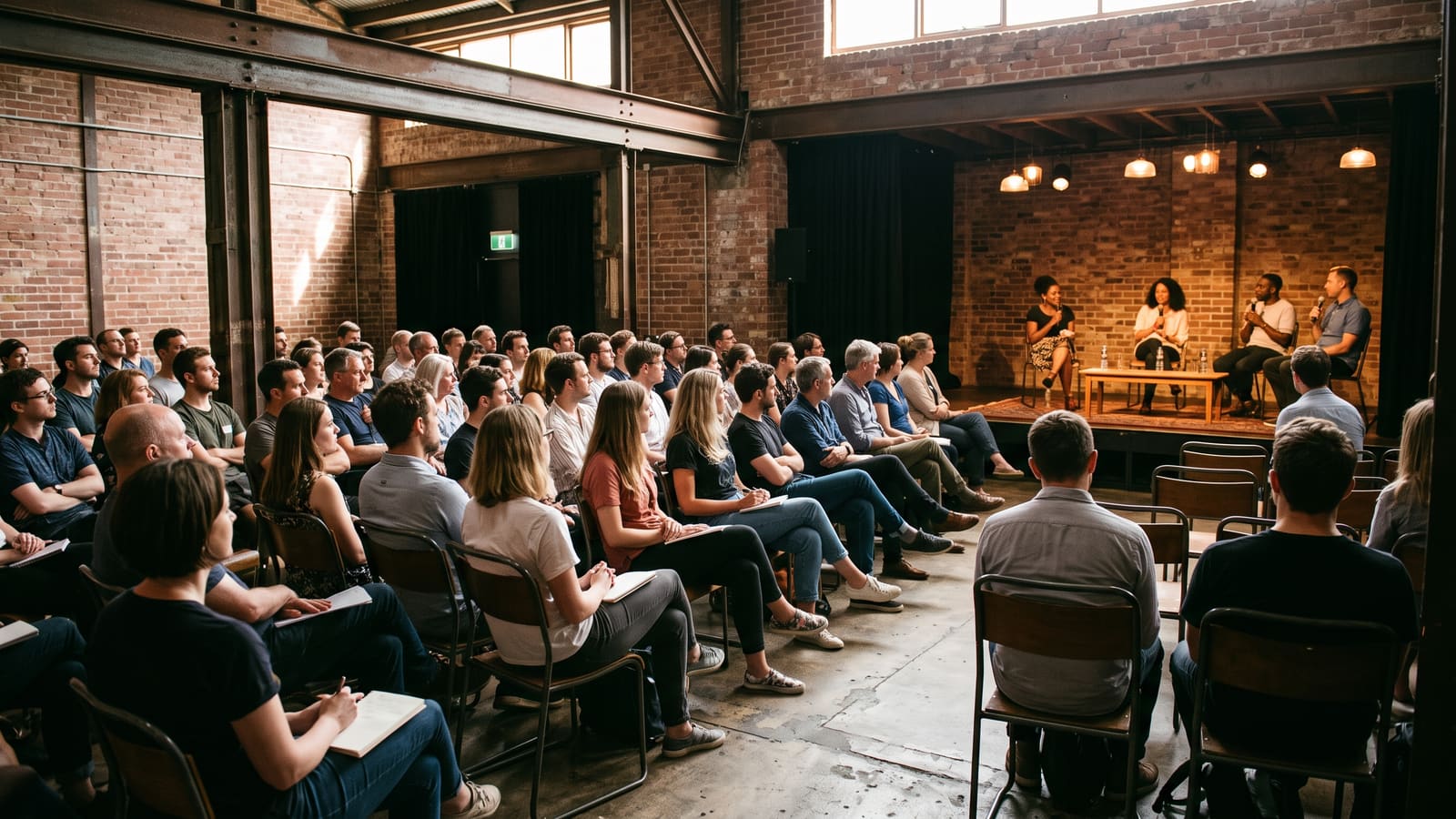
That’s according to the speakers at CogX 2019, London’s AI and emerging technology festival. Another word used during the event perhaps sums this up – transparency.
I attended two smart city panels at the Canal Stage* titled ‘The people building your city’ and ‘Moving people, moving data’.
At the former, the speakers were Katherine Oliver, Ana Ariño, Francesca Bria and Theo Blackwell.
It was said that tech companies are trusted to do good most of the time by 25pc of those surveyed. They are trusted to do good all of the time by 3pc of those surveyed. So the questions from citizens are – how does this benefit us? How can we trust the data we receive and how and why is our data shared?
There was discussion about data sovereignty. Ana Ariño, CSO of the New York City Economic Development Corporation, said that citizens must be in in charge of the data, not the government.
Digital societies of the future will need to consider privacy, civil liberties, data manipulation, and giving data control back to citizens.
Theo Blackwell, London chief digital officer, said that citizens have expressed trust and pragmatism when it comes to sensors and data, but they need to know what is being done with the data, and he gave the example of low trust regarding knife crime data in the city (a woman in the audience nodded her agreement to this).
Theo said that community groups should be part of a democratic design process.
The panel were asked what they would like to see three years from now and responses included sharing ideas, collaboration including the involvement of underrepresented demographics, and introducing computer science to all schools.
Thanks to The Alan Turing Insititute in Cambridge who provided our festival pass.
* Side note on my attempts to find this stage - it was moved, but the original location still looked like a stage, and there was a member of staff holding a ‘canal stage’ sign but not proactively explaining it had moved to the underground, so I missed the beginning of the talk.
If the festival is hosted at the same place next year, be aware that it’s spread over a few (walkable) locations. Allow time to familiarise yourself with the site and collect your pass (could e-passes be used to save on materials?).

How to spot re-keying in your business, the small automations that stop it, and how to keep them documented, owned and easy to live with.
· 6 min read
How AI can answer questions from your own documents using RAG, explained without jargon: how it works, where it helps, its limits and a sensible first step.
· 6 min read
Why a short, positive AI use policy helps your team use AI with confidence, what it should cover under UK GDPR, and a one-page outline you can adapt.
· 6 min read